A small nursery with strong opinions about compost.
We started from a stubborn belief that people don't kill plants — they're just sold the wrong ones, by someone who never asked where they were going.
Carl Allott.
Fifteen years of growing plants, ten Highland winters, and a house that lost the argument some time around year five.
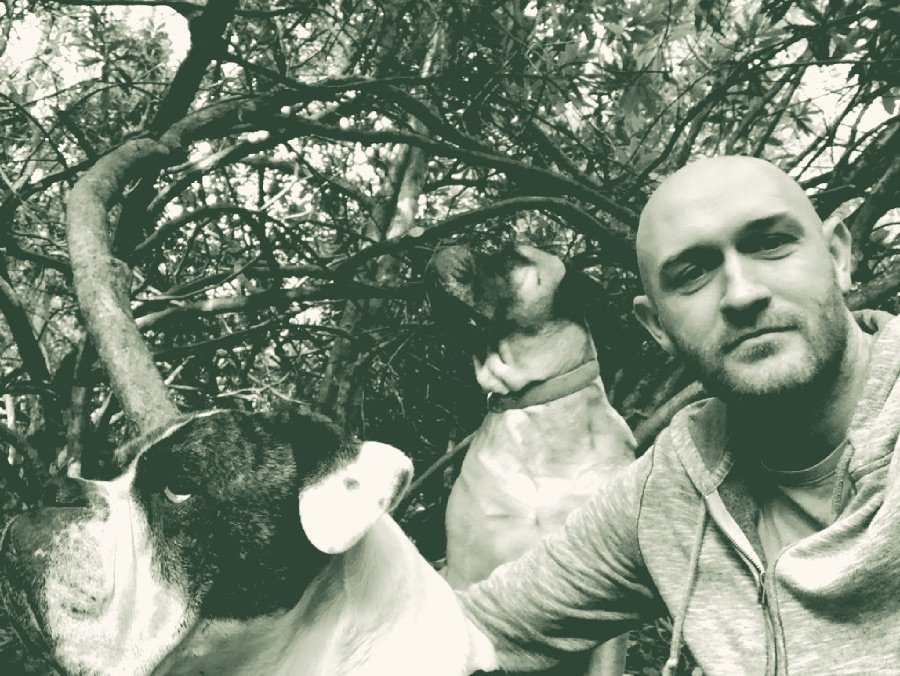
Carl has been growing plants for about fifteen years and living in the Scottish Highlands for nearly ten. Over the last five it has tipped from hobby into something closer to obsession — first the greenhouse filled up, then the windowsills, then most of the rest of the property.
He studied forestry and conservation at the University of the Highlands and Islands, and holds the RHS Level 3 in Principles of Plant Growth, Health and Applied Propagation. Since 2020 he has worked in conservation — on horticulture and invertebrates with the Royal Zoological Society of Scotland, and on the Rare Invertebrates in the Cairngorms project.
Ask him about propagation
Several hundred plants in this house started as a cutting taken here. If you want to know why yours isn't rooting, this is the conversation to have.
And about houseplants this far north
Light levels, humidity and winter in the Highlands don't behave the way the care label assumes. That mismatch is behind most of what goes wrong, and it's the thing Carl gets asked about most.

It started with friends leaving holding a cutting.
There was never a business plan. There was a greenhouse, and then a greenhouse that had run out of room, and then most of the house given over to plants — several hundred of them, all propagated here.
People kept admiring them, and kept going home with one. That happened often enough that selling them properly started to look like the obvious next step. This is the first season of doing it in the open rather than by accident.
Right plant, right place, every time.
We would rather sell you one plant that lasts a decade than five that last a season.
Peat-free growing
Our growing media are peat-free, and we're transparent about the small number of lines where a good alternative doesn't exist yet.
Honest labelling
If a plant needs bright light and weekly attention, the label says so. No "easy care" claims we wouldn't stand behind.
Aftercare, not upselling
Bring us a struggling plant and we'll diagnose it. Often the answer costs nothing but a change of position.
Rooted in the Highlands.
Growing this far north sets the terms. Short winter days, long summer ones, and houses that swing between unheated and centrally heated — a plant raised in a warm tunnel four hundred miles south meets none of that until the day it arrives with you.
Grown in the conditions it will live in
These plants were propagated and grown on in a Highland house, through Highland winters. Whatever they're going to struggle with, they've already met.
Trained, not just enthusiastic
Forestry and conservation at the University of the Highlands and Islands, RHS Level 3 in plant growth, health and applied propagation, and since 2020 a working conservation background.
Advice that assumes your house
Most care labels are written for somewhere considerably brighter and more humid than a Highland windowsill in January. We'll tell you what that actually means for yours.
We're happier answering questions than taking orders.
Drop in with a photo of your windowsill, your garden bed, or your ailing fern. No purchase expected.